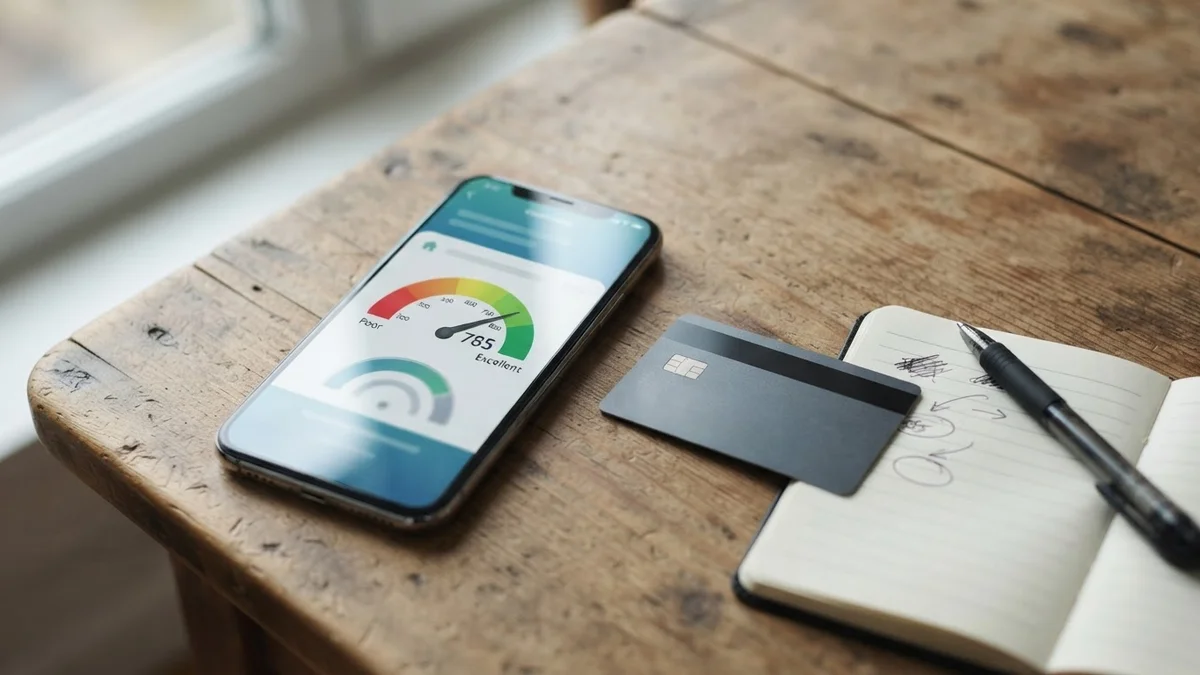
A credit score is a number that summarises how reliably you have handled borrowed money in the past. Lenders around the world use credit scores or credit reports to decide whether to approve you and what interest rate to offer. Understanding how scores work can help you borrow more cheaply and with fewer surprises.
What Is a Credit Report?
A credit report is a record of your borrowing history kept by credit bureaus or credit reference agencies. It usually includes your loans and credit cards, payment history, credit limits, balances and sometimes public records such as court judgments or bankruptcies. Well-known bureaus include Experian, Equifax and TransUnion, which operate in many countries, as well as national bureaus such as CIBIL in India.
What Is a Credit Score?
A credit score is calculated from the information in your credit report. Score ranges differ by country and scoring model. For example, many systems use a range of roughly 300 to 850 or 300 to 900. Higher scores generally mean lower risk for lenders.
Main Factors That Affect Your Score
| Factor | Why it matters |
|---|---|
| Payment history | Paying on time is usually the most important factor |
| Credit utilisation | Using a high share of your credit limits can lower your score |
| Length of credit history | Longer, well-managed history helps |
| Credit mix | A healthy mix of credit types may help slightly |
| New credit applications | Many applications in a short time can lower your score |
How Your Score Affects Loans
- Approval: Low scores may lead to rejection.
- Interest rate: Better scores usually mean lower rates.
- Loan amount: Strong credit can increase how much you can borrow.
- Terms: Some lenders offer better terms, such as lower fees, to high-score borrowers.
How to Check Your Credit Report
Many countries give you the right to check your credit report for free at least once a year. Review it carefully for mistakes, such as accounts you do not recognise, wrong late payments or incorrect personal details. If you find an error, contact the credit bureau to dispute it.
Practical Ways to Improve Your Score
- Pay every bill on time: Set up reminders or automatic payments.
- Reduce credit card balances: Many experts suggest keeping usage well below 30% of your limit.
- Avoid unnecessary applications: Apply only for credit you genuinely need.
- Keep older accounts open: Closing old accounts can shorten your history and reduce available credit.
- Fix errors: Dispute incorrect information promptly.
- Build credit if you have none: A small secured credit card or credit-builder loan, used responsibly, can help.
Common Myths
- Myth: Checking your own score lowers it. Fact: Checking your own report is usually a “soft” check that does not affect your score.
- Myth: Income directly affects your credit score. Fact: Income usually is not part of the score, although lenders consider it separately.
- Myth: Paying off a debt removes its history instantly. Fact: Past late payments can stay on your report for several years, though their impact fades over time.
Applying With a Low Score
If your score is low, consider improving it before applying, adding a creditworthy co-applicant, choosing a secured loan or borrowing a smaller amount. Be very cautious of lenders who promise guaranteed approval regardless of credit; these offers often carry extremely high costs.
Conclusion
Your credit score is a powerful tool that affects the cost and availability of loans. Check your report regularly, pay on time and use credit responsibly to keep your score strong.
Disclaimer: This article is for general information only and does not constitute financial, legal or tax advice. Loan products, rates and regulations vary by country and lender. Please consult a qualified, licensed financial adviser before making borrowing decisions.